Mom and Baby Highland Cow Review
As a designer who has spent years stitching through thousands of embroidery files for everything from boutique clothing lines to personalized family heirlooms, I have learned to look past the pretty thumbnail image. The real story lies in how a design behaves under the needle, how it translates to different fabrics, and whether it actually adds value to a finished product. When I first encountered Mom and Baby Highland Cow, my immediate thought wasn't just about its cute factor—it was about its practical application in a commercial setting. This design belongs to the Farm Animals category, but its potential extends far beyond simple novelty items.
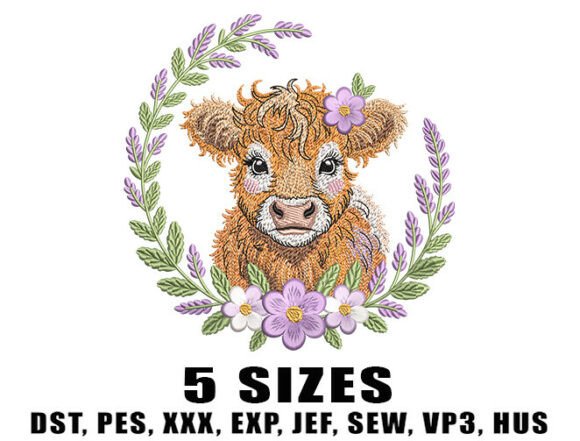
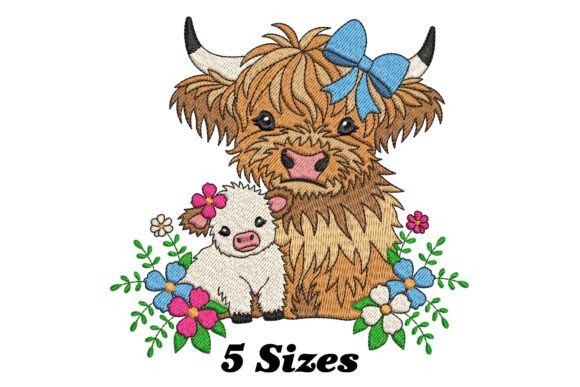
The visual personality of Mom and Baby Highland Cow is undeniably whimsical. It captures that specific charm of the Highlands breed: the shaggy coats, the gentle eyes, and the protective bond between parent and offspring. For an embroidery file, this subject matter is gold. It taps into a growing trend for rustic, farmhouse aesthetics that are currently dominating Etsy shops and craft fairs. However, a charming concept only becomes a viable product when the stitch work supports the vision without overwhelming the fabric.
I recently put this design to the test for a real-world scenario: creating a custom line of baby gifts and nursery decor. The goal was to produce a high-quality embroidered tote bag for a local boutique and a matching sweatshirt for a holiday gift shop. The client wanted something that felt handmade and personal, not mass-produced. Mom and Baby Highland Cow offered the perfect narrative hook. A mother buying a gift would immediately connect with the imagery, seeing it as a symbol of nurturing and love rather than just a random animal print.
Real-World Performance on Custom Apparel
When evaluating how Mom and Baby Highland Cow performs on custom apparel, the results were promising. On standard cotton t-shirts and sweatshirts, the design held its shape beautifully. The saturation levels appeared balanced, avoiding the stiff "cardboard" feel that often plagues dense fill stitches. This is crucial for wearable items; you want the embroidery to move with the fabric, not fight against it.
- Tote Bag Design: I tested the file on a canvas tote. The contrast worked well against the natural beige background. The running stitches used for the hair texture gave it a soft, organic look that complemented the rugged nature of the canvas material.
- Sweatshirt Embroidery: On a fleece-lined pullover, the design stood out without losing definition. The layering of the mom and baby figures created a nice sense of depth, which is essential for keeping the viewer's eye engaged.
- Baby Embroidery: For onesies or baby blankets, the scale of Mom and Baby Highland Cow feels appropriate. It is large enough to be seen clearly but small enough to remain delicate on infant garments.
The versatility of this machine embroidery design extends to home decor as well. Imagine this stitched onto a linen pillow cover or a kitchen tea towel. The farm theme fits perfectly in a country-style kitchen, adding a touch of warmth to daily routines. For a digital product seller, this design serves as excellent design assets for creating printable mockups. You can visualize how it looks on various backgrounds before committing to production.
Navigating Fabric Challenges and Hoop Limitations
While Mom and Baby Highland Cow is a strong candidate for many projects, no single embroidery file is a universal solution. As a reviewer, I must point out where caution is required. If you plan to use this design on small hoop sizes, such as those used for hats or caps, you need to verify the dimensions carefully. Curved surfaces like caps can distort the circular flow of the design if the stabilizer isn't applied correctly.
Textured fabrics present another challenge. While the shaggy aesthetic of the Highland cow pairs well with textured materials, highly textured weaves can sometimes obscure fine details. If your design includes tiny lettering or intricate decorative accents, testing on scrap fabric is non-negotiable. Thin or stretchy fabrics require a robust stabilizer strategy to prevent puckering. Without the right support, even a beautiful design like this can end up looking wrinkled and unprofessional.
Dense stitch areas are another consideration. If the design relies heavily on fill stitches to create the fur texture, it might become too rigid for lightweight fabrics like silk or thin jersey. In these cases, the weight of the thread could pull the fabric down, ruining the drape of the garment. Always check the stitch density before finalizing your production run.
Impact on Product Value and Brand Consistency
In the world of craft business and small shop products, the quality of the embroidery directly correlates to customer trust. A sloppy stitch job can undermine a brand, while a clean, professional finish elevates a simple item into a premium gift. Mom and Baby Highland Cow has the potential to significantly boost perceived value. When a customer sees a well-executed satin stitch outline combined with a soft fill, they recognize the effort involved.
This design is particularly effective for personalized gifts. Whether it is a monogrammed apron or a custom holiday ornament, the emotional connection of the mother-and-child theme resonates deeply. It transforms a generic commodity into a meaningful keepsake. For Etsy sellers and creative entrepreneurs, this kind of emotional resonance is what drives sales and repeat customers. The design acts as a conversation starter, making the finished product memorable.
However, achieving this level of professionalism requires attention to detail. Thread colors play a massive role in the final outcome. If you choose colors that clash with the fabric texture, the design will lose its impact. I recommend testing various thread combinations to ensure the fur texture pops against the background. Additionally, inspecting small details after stitching is vital. Are the edges crisp? Is there any skipped stitching? These factors determine whether the item feels like a high-end boutique product or a cheap souvenir.
Practical Designer Notes for Production
Before you start mass-producing items with Mom and Baby Highland Cow, here are some essential steps to ensure success:
- Test on Scrap Fabric: Never go straight to the final product. Run a test on the same fabric you intend to use to check for puckering or distortion.
- Review Stitch Density: Ensure the fill stitches are not so dense that they harden the fabric, nor so sparse that the background shows through too much.
- Confirm Hoop Size: Verify that the design fits within your intended hoop size, especially if working with curved items like caps or small patches.
- Check Stabilizer Needs: Use the proper stabilizer for your fabric type. Heavy-weight stabilizers may be needed for towels, while lighter options suit t-shirts.
- Inspect Small Details: Zoom in on the digital file to see if any tiny elements might get lost during the stitching process.
- Test Color Contrast: Compare light and dark fabric backgrounds to ensure the thread colors provide sufficient contrast.
- Verify Licensing: If you plan to sell finished items or digital products, confirm the licensing terms. Commercial embroidery rights vary by designer, and using a file without permission can lead to legal issues.
Ultimately, Mom and Baby Highland Cow is more than just a cute picture; it is a versatile tool for designers and makers. Whether you are creating a holiday gift, a boutique branding item, or a heartfelt personalized gift, this design offers a solid foundation for a successful project. By approaching it with the right technical knowledge and attention to detail, you can turn a simple embroidery file into a standout product that customers will cherish.