Panda Playtime Parade: A Designer's Review for Small Business Merch
As an experienced embroidery designer who has spent years refining digital files for commercial production, I approach every new asset with a critical eye. When evaluating Panda Playtime Parade, my focus is not just on how cute the design looks, but on its viability as a core component of small business merch and branded identity. This review breaks down the potential of this machine embroidery design to elevate your brand from a simple seller to a recognized name in the marketplace.
First Impressions: The Personality of Panda Playtime Parade
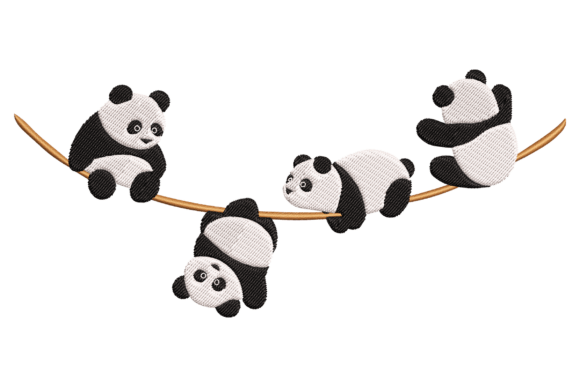
The moment you open the file for Panda Playtime Parade, the visual personality jumps out. Based on the description, which promises a "dash of charm" and a "playful and whimsical touch," this design leans heavily into friendly, approachable aesthetics. It feels less like a rigid corporate logo and more like a handmade product that invites interaction.
For a small business owner, whether running a boutique, a bakery, or a creative studio, this vibe is gold. It suggests a brand that values customer connection and warmth. Unlike stark, minimalist designs that can feel cold, Panda Playtime Parade adds immediate emotional value. It is perfect for brands targeting families, pet owners, or those selling handmade goods where a personal touch is paramount. The "Baby Animals" category ensures it carries an inherent sense of innocence and softness, making it ideal for nursery decor, children's apparel, or even pet accessories.
Real-World Application in Commercial Embroidery
The true test of any embroidery file lies in its application across various products. In my experience testing designs for client projects, Panda Playtime Parade shows strong versatility when used correctly.
- Embroidered Patches: This design shines when converted into an embroidered patch. Whether sewn onto denim jackets, canvas bags, or leather vests, the playful nature of the panda parade creates a standout accent piece. It works exceptionally well as a chest logo accent or a sleeve detail, adding a unique signature to custom apparel without overwhelming the garment.
- Staff Uniforms and Aprons: For cafes, florists, or bakeries, Panda Playtime Parade offers a way to humanize staff uniforms. Imagine a barista wearing a black apron with a subtle panda motif; it instantly signals a fun, welcoming environment. It transforms a standard work shirt into a branded uniform that customers remember.
- Tote Bag Design: Tote bags are a staple for Etsy sellers and crafters. Using this design as a tote bag mark provides a high-value addition to customer gifts. The whimsical touch makes the bag itself a desirable item, encouraging repeat purchases and social media shares.
- Cap Embroidery: While caps present challenges, this design could work beautifully on the front panel if scaled appropriately. It serves as a distinctive cap design that differentiates your brand from competitors using generic logos.
Strategic Brand Identity and Customer Trust
Every stitch tells a story about your brand. Using Panda Playtime Parade strategically affects brand identity by projecting professionalism mixed with creativity. When a customer sees a consistent, high-quality finished product featuring this design, it builds trust. It signals that you care about the details of your handmade product.
In the competitive world of commercial embroidery, visual consistency is key. If your packaging accents, product labels, and promotional items all feature elements of this cohesive design, you create a memorable brand ecosystem. This recognition leads to higher perceived product value. A t-shirt with a professional, well-executed digital embroidery file commands a higher price point than one with a cheap print, because the texture and quality speak to durability and craftsmanship.
Critical Considerations and Usage Warnings
While the potential is high, a professional designer must always consider the limitations of the medium. There are specific scenarios where Panda Playtime Parade requires careful handling to ensure a premium result.
Small Patch Sizes and Cap Fronts: If you attempt to shrink this design too much for a tiny patch or a curved cap front, you risk losing the definition of the details. High stitch density in small areas can cause fabric puckering, especially on thin materials. Always inspect spacing and confirm hoop size before finalizing the order.
Fabric Texture and Dark Uniforms: The success of this design depends heavily on thread colors and fabric texture. On dark uniforms, you will need a heavy underlay to ensure the colors pop and the white (if present) covers the base fabric. Without proper stabilizer, the design may sink into textured fabrics like chunky knits or rough canvas, ruining the crisp look.
Frequent Washing: For items that need frequent washing, such as aprons or work shirts, the stability of the stitches is crucial. Designs with detailed outlines or loose threads can snag or fray over time. Ensure the file is optimized for durability if these items are intended for daily wear.
Practical Designer Notes for Production
Before you commit to a full production run, follow these essential steps to guarantee the best outcome for your commercial embroidery project.
- Test in Black and White: Start by digitizing or previewing the design in monochrome. This helps you see the structure and density without the distraction of color. It reveals if the design holds up at smaller scales.
- Review Thread Color Contrast: Analyze the provided thread colors against your intended fabric. Do they offer enough contrast? Will the colors wash together or blend too much?
- Inspect Spacing and Density: Check the stitch density within the design. Too many stitches in one area can make the fabric stiff, while too few can leave gaps. Adjustments might be needed based on the specific fabric type.
- Confirm Hoop Size: Ensure the design fits within your standard hoop sizes. If the design is larger than your hoop, you may need to split the file or use a multi-hoop technique, which increases production time.
- Test on Real Fabric: Never skip the sample run. Test the design on the actual material you plan to use. Fabric behaves differently than digital mockups; it stretches, shrinks, and reacts to tension in unique ways.
- Create a Printable Mockup: Use a printable mockup to visualize the design on the final product before stitching. This allows for client approval and prevents costly mistakes.
- Check Commercial Licensing: Before using Panda Playtime Parade on items for sale, confirm the commercial licensing terms. Ensure you have the right to sell products featuring this design asset.
Final Thoughts on Design Assets
Panda Playtime Parade represents a valuable addition to any collection of design assets for small business owners. Its ability to convey playfulness and charm makes it a versatile tool for branding, from custom apparel to event merch. However, the difference between a good design and a great one often comes down to execution.
By paying attention to stitch density, stabilizer choice, and fabric selection, you can ensure that the final product reflects the high standards your business deserves. Whether you are creating a batch of branded patches for a local café or designing a line of tote bags for an online store, taking the time to evaluate the technical aspects of the machine embroidery design will pay off in customer satisfaction and brand loyalty.
Remember, the goal is not just to decorate a product, but to enhance your fabrics with a dash of charm that resonates with your audience. With the right preparation, Panda Playtime Parade can become a signature element of your brand identity, turning simple merchandise into cherished keepsakes.