Jumping Orca Whale: A Designer's Review for Small Business Merch
As an experienced embroidery designer who has spent years refining digital files for commercial use, I approach every new asset with a critical eye. When evaluating the Jumping Orca Whale design, my focus shifts immediately from simple aesthetics to practical application. This isn't just about making something look cute; it is about determining if this piece of art can withstand the rigors of daily wear, frequent washing, and the specific demands of small business branding. For shop owners, Etsy sellers, and product designers looking to elevate their small business merch, the difference between a successful item and a rejected one often lies in the details of the stitch.
First Impressions: Personality and Visual Impact
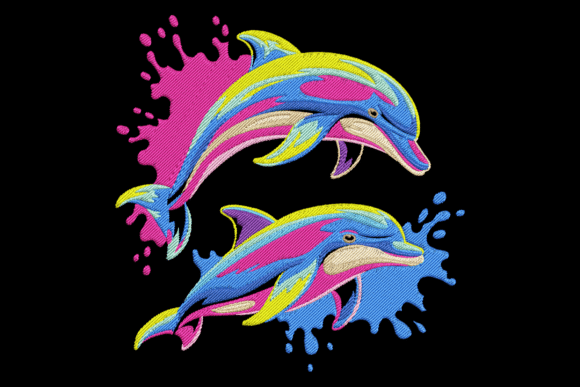
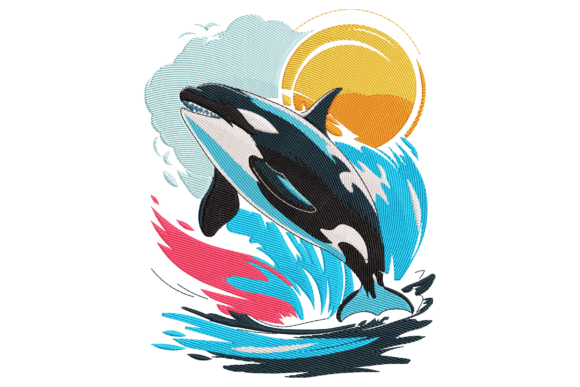
The description of the Jumping Orca Whale promises a "touch of charm" and a "fun and quirky accent." From a professional standpoint, these keywords suggest a design that leans heavily into personality rather than strict corporate minimalism. The image of a leaping orca implies motion, energy, and a connection to nature. In the context of brand identity, this design feels approachable and friendly, making it an excellent candidate for creative studios, pet brands, bakeries, or boutique shops that want to convey warmth and whimsy.
However, "quirky" can sometimes conflict with "professional" if not executed correctly. The dynamic pose of a jumping whale requires careful attention to stitch density. If the file is too dense, the fabric will pucker; if it is too sparse, the shape may lose definition on textured materials like towels or denim. The initial assessment suggests a playful vibe that works well for handmade products, but it requires a strategic placement to ensure the visual integrity remains intact across different media.
Real-World Application: From Patches to Product Labels
The true test of any machine embroidery design is its versatility in real-world scenarios. Let us imagine a local café or a handmade soap brand wanting to launch branded merchandise. The Jumping Orca Whale could serve multiple high-value functions beyond a standard chest logo.
- Embroidered Patches: One of the most popular uses for marine mammal designs is creating sew-on or iron-on patches. For a coffee shop, a patch featuring the Jumping Orca Whale on a staff apron adds a unique touch that customers remember. It transforms a standard uniform into a conversation starter, enhancing customer engagement.
- Tote Bag Designs: For crafters and Etsy sellers, a tote bag is a walking billboard. Placing this design as a central focal point or a subtle sleeve detail on a canvas tote creates a premium feel. The bold imagery stands out against natural fabrics, reinforcing the handmade product aesthetic.
- Cap Embroidery: A cap front is a classic spot for branding. However, the dynamic curve of a jumping whale must be adapted to the curved surface of a hat. If done right, it becomes a standout piece of custom apparel that signals a fun, outdoor-oriented lifestyle.
- Apron Embroidery: For bakeries, florists, or culinary businesses, an apron with a Jumping Orca Whale motif adds a layer of character. It humanizes the service experience, suggesting that the people behind the counter are creative and passionate about their craft.
In these contexts, the design acts as more than decoration; it is a design asset that communicates values. Whether used on product packaging accents or as a label for finished goods, the visual consistency provided by a high-quality embroidery file builds trust with the buyer.
Where Caution Is Required
While the potential is high, there are specific areas where the Jumping Orca Whale requires careful consideration. Not every surface is suitable for every design. For instance, attempting to stitch this design at a very small patch size might result in lost detail. The curves of the whale's tail and dorsal fin need enough space to be defined clearly without becoming a blur of thread.
Similarly, working on dark uniforms presents challenges regarding thread colors. If the design relies on light blues or whites to show the splash of water, the background color of the garment must be accounted for. Using a proper underlay and potentially a cutaway stabilizer is essential to prevent the design from sinking into the fabric texture. Furthermore, items that undergo frequent industrial washing, such as heavy-duty work shirts, require a robust design structure to prevent thread breakage or distortion over time.
Curved surfaces like caps demand a specific hoop size and digitization technique. If the file is not optimized for curvature, the image may appear distorted when stitched onto a rounded form. Designers should always review the spacing and confirm the hoop size before committing to a bulk production run.
Strategic Notes for Commercial Embroidery Projects
To ensure the Jumping Orca Whale delivers the desired return on investment for your brand, several technical steps must be taken during the preparation phase. As a professional reviewer, I recommend the following workflow for any digital embroidery file intended for commercial use.
- Test in Black and White: Before selecting your final palette, stitch the design using monochromatic threads. This helps you evaluate the flow of the stitches and the balance of the design elements without the distraction of color. It reveals whether the stitch density is appropriate for the intended fabric.
- Verify Small Patch Viability: Create a mockup of the design at its smallest intended size. Check if the fine lines remain distinct. If the details disappear, the design may need simplification or a minimum size restriction to maintain quality.
- Inspect Thread Color Contrast: Ensure the chosen thread colors provide sufficient contrast against the base fabric. A low-contrast combination can make the brand identity difficult to recognize, especially from a distance.
- Confirm Stabilizer Usage: Different fabrics react differently to tension. Always test on the actual material you plan to use. Using the wrong stabilizer can lead to puckering, which ruins the professional look of the finished product.
- Create a Printable Mockup: Before sending orders to production, generate a realistic printable mockup for client approval. This allows stakeholders to visualize how the Jumping Orca Whale looks on a t-shirt, tote, or hat before any money is spent on materials.
- Check Commercial Licensing: Crucially, verify the licensing terms of the digital embroidery file. Ensure you have the legal right to use the design on items you intend to sell. Ignoring this step can lead to significant legal issues down the line.
Final Thoughts on Brand Value
The decision to use the Jumping Orca Whale in your inventory is a statement about your brand's voice. It signals a willingness to embrace playfulness and creativity. When executed with precision—respecting the limits of fabric texture, utilizing proper stabilizers, and maintaining consistent thread colors—this design can significantly enhance the perceived value of your merchandise.
Whether you are decorating caps for a summer event, adding a signature mark to a line of tote bags, or creating a cohesive look for your team's uniforms, the right embroidery design elevates the entire operation. By treating the Jumping Orca Whale not just as a graphic but as a functional component of your business strategy, you ensure that your small business merch stands out in a crowded marketplace. Always remember that the quality of the stitching is just as important as the art itself; a poorly executed design can undermine even the best brand story. Take the time to test, refine, and approve, and you will find that this marine mammal motif is a powerful tool for building recognition and loyalty among your customers.